
CROSSVILLE FACES NOVEMBER 11 DEADLINE TO SECURE $300,000 WETLAND MITIGATION CREDITS OR RISK HIGHER FUTURE COSTS
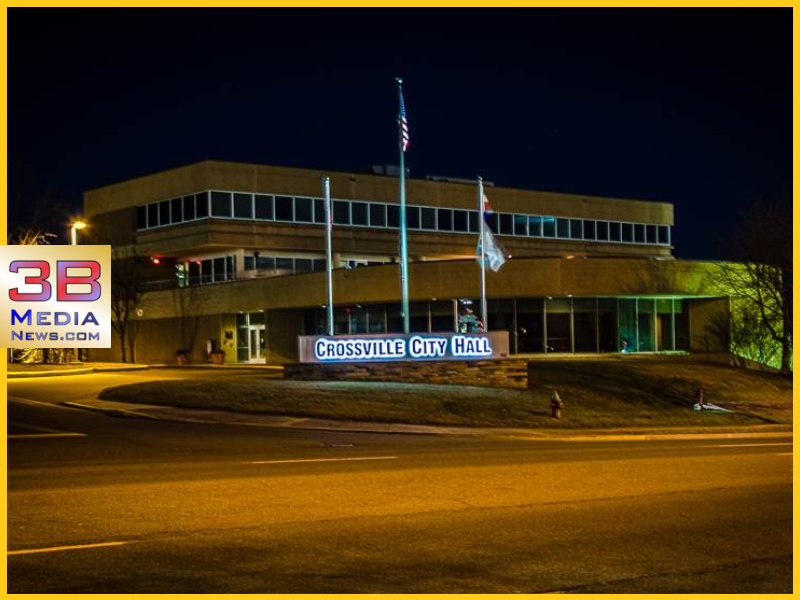
Reports presented by Crossville City Attorney Randy York at the October 13, 2026, Crossville City Council meeting highlighted an urgent November 11 deadline for the city to commit $300,000 toward wetland mitigation credits from the University of Tennessee, or risk losing preferential access and facing potentially multimillion-dollar higher costs later.
During his report, York detailed recent correspondence with the University of Tennessee setting strict timelines. By the close of business on November 11—just one week after the upcoming election—the city must decide whether to secure the credits and execute a legal agreement with a $300,000 down payment. This will require a special-called council meeting sometime between November 3 and November 11.
Beyond the initial payment, UT has requested a further commitment by February 26, 2027, via another legal agreement totaling $11,220,000 for 6,000 stream credits and 45 wetland credits. The proposed payment schedule includes the $300,000 by mid-November, 75 percent of the remaining balance upon permit approval and placement of deed restrictions, and the final 25 percent upon completion of the mitigation construction. UT also indicated it wants to renegotiate the original RFP schedule to reallocate financial risk.
York warned that if the city takes no action, the university could move forward independently, form a mitigation bank, and sell the credits on the open market. Under Tennessee Department of Environment and Conservation rules, the city would then be required to purchase from any available local bank at prevailing market rates. This could add millions of dollars to the cost of any future dam project, though the issue becomes moot if the city ultimately chooses not to pursue a dam.
The mitigation credits discussion is intertwined with broader water infrastructure challenges, including the aging Meadow Park Lake treatment plant—which officials described as being in “dire straits” and at risk of failure that could trigger a boil-water notice—and the upcoming referendum. That referendum, required under the city charter for any long-term disposition involving Meadow Park Lake or related water rights, would only authorize the council to keep options open for future discussions (such as potential collaboration with the Cumberland Plateau Water Authority). It does not approve any sale, transfer, rate change, or binding agreement.
Council postponed related water rate study discussions until December after the new council is seated.