

CROSSVILLE TOWNHALL HEARS DETAILED CASE ON WATER MERGER REFERENDUM, MEADOW PARK DAM
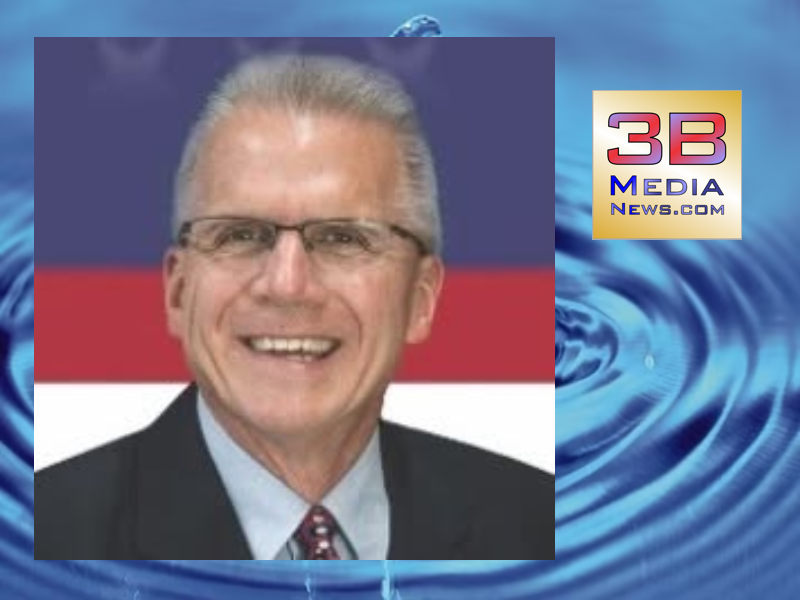


Residents packed a townhall meeting to hear Dr. Mark Fox, a Crossville City Council member speaking in a personal capacity, outline the history, options and upcoming referendum on potentially transferring the city’s water assets to the Cumberland Plateau Water Authority (CPWA).
Fox opened by stressing he was not speaking for the City Council and had done extensive independent research on the long-running water issues on the Cumberland Plateau. He used the Titanic’s slow response to the iceberg as an analogy for the need to act on available information rather than delay.
He reviewed more than 30 years of studies and consultant work, pointing residents to a historical water resources document on the city website. The Tennessee General Assembly created the CPWA in 2022 through private chapter legislation. The seven-member board has three appointees from Crossville and four from the Cumberland County mayor. The authority has since absorbed and dissolved the Crab Orchard, West Cumberland and South Cumberland utility districts.
Regulators at an unprecedented January 29 meeting—including the Tennessee Department of Environment and Conservation commissioner, a top U.S. Army Corps of Engineers official and the state comptroller—affirmed that Crossville already functions as a regional water supplier. It serves customers inside and outside city limits, including areas toward Grandview, Putnam County and a contract for Fall Creek Falls.
Fox discussed regionalization benefits such as economies of scale and rate equalization, while noting current rate differences among the absorbed systems. He explained that a formal “association” short of full merger faces regulatory hurdles involving debt and assets.
The November 3 referendum stems from Crossville’s city charter, confirmed by the city attorney and the Municipal Technical Advisory Service. It asks voters whether the city shall have authority to transfer specified water assets (listed in exhibits covering acreage around Meadow Park Lake and related facilities) to CPWA for absorption and dissolution of Crossville’s water resources. A yes vote of 51 percent or more would authorize—but not require—the City Council to transfer the assets if it finds the move in the public interest. A no vote would permanently bar the transfer.
Fox reviewed alternatives examined since the 2010 Crossville-Cumberland County Water Survey and by multiple consultants, the TVA and the Army Corps of Engineers. Options included a new impoundment on Clear Creek (ruled out due to extensive environmental protections, including EPA designation as an Outstanding Natural Resource Water and presence of protected species), groundwater wells, pipelines from distant reservoirs, conservation, improvements to existing facilities and “no action.” Consensus among regulators and consultants, he said, identifies raising or rebuilding the Meadow Park Dam as the most readily available, economically sound and least environmentally disruptive way to expand supply. Engineering estimates put functional completion of a new dam roughly 7–9 years out if permitting resumes promptly; a severe drought before then could trigger restrictions.
He challenged several claims he labeled misconceptions: that Crossville alone would bear the full cost of capital projects (beneficiaries across the system would share costs through rates or wholesale purchases); that ample time remains to study unexamined sources (prior evaluations already covered at least 16 alternatives); and that cheaper alternatives exist (recent analysis showed the Meadow Park project at less than half the projected cost of other practical options). A Schnabel Engineering alternatives analysis presented lifetime costs for groundwater exploration, pipelines and other approaches, with Meadow Park estimated near $70 million once power costs are included.
Fox emphasized that water resources belong to ratepayers and operate under enterprise-fund rules requiring revenues to cover costs. CPWA has pledged that a merger would protect employee jobs, pay and benefits. He noted Crossville has spent more than $955,000 since 2019 on related studies and work. Questions remain about whether CPWA would prioritize the Meadow Park project and about long-term board representation as additional systems potentially join.
Public comments followed. Speakers raised concerns about board representation (Crossville would hold only three of seven seats), sewer system subsidies and liabilities, aging pipes, rate impacts, transparency and the motivation for giving up city assets. Some favored consolidation for efficiency and customer focus; others urged the city to retain control, pursue partnerships or even absorb CPWA instead. A CPWA representative clarified that the referendum is the city’s initiative, that data shared so far came from city staff, and directed residents to cpwatn.com for the authority’s materials. State utility regulators present stressed fiduciary duty to all customers and the benefits of regionalization for well-run systems.
Fox closed by encouraging residents to review primary documents, meeting recordings and independent analysis ahead of the November vote.