
CROSSVILLE COUNCIL DISCUSSES OUTSIDE WATER RATES AND COST STUDY REQUEST
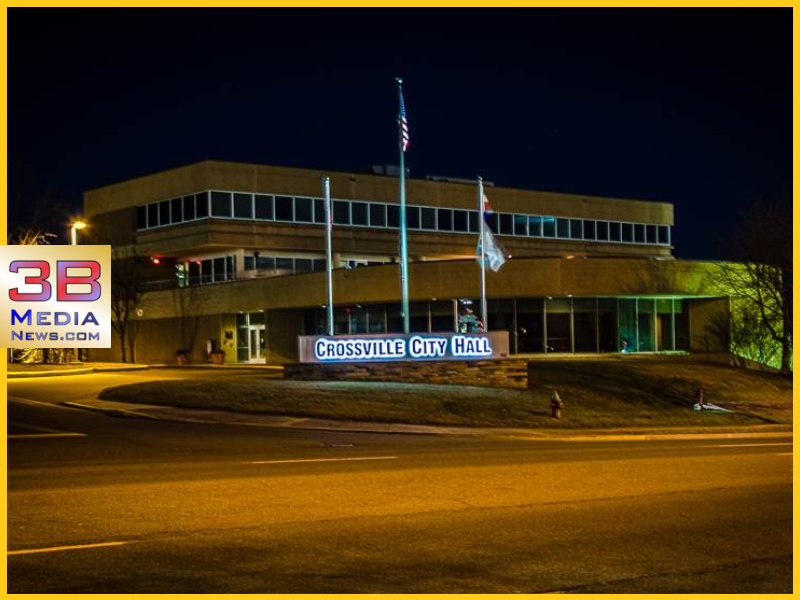

Outside-city water customers’ rates and a request for an independent cost-of-service study dominated part of the Crossville City Council work session on Oct. 6, 2026.
Two residents addressed the council during public comment. Randall Kidwell, an outside customer, urged the council to drop the discussion entirely. He cited the city charter, which grants the council authority to set higher rates for water sold outside corporate limits, and said he pays roughly $22 (including tax and fees) for 2,000 gallons and finds the charge reasonable. Kidwell criticized the Tennessee Board of Utility Regulation and noted inconsistencies in rates charged by the Cumberland Plateau Water Authority.
A second speaker, Linda Clark standing in for Craig Clark, who had a scheduling conflict, described living about two miles outside city limits and paying significantly more than in-city customers for the same water. After a 25% increase in the in-city rate earlier in the year, the differential narrowed from about 50% to roughly 20%. Using a recent bill for 7,500 gallons, the outside charge was $70.65 versus an estimated $58.88 for the same usage inside the city. The speaker compared Crossville’s surcharge unfavorably with Knoxville Utility Board rates and noted that outside customers cannot vote in city elections or serve on the Cumberland Plateau Water Authority. The request sought an independent audit of actual production and delivery costs inside and outside city limits, plus a written response detailing the legal and factual basis for the rate difference, confirmation that non-water costs are not included in rates, and a yes-or-no decision on the audit with a timeline.
Finance staff presented internal calculations based on the prior year’s figures. After removing capital expenditures, adjusting for sewer-related costs, and accounting for utility-district wholesale sales, the estimated cost to provide water was approximately $9.64 per thousand gallons. Neither current in-city nor outside rates fully cover that cost. Staff said rates had not been adequately adjusted for years and that the city has been working for several years to raise them gradually, including the recent 25% in-city increase, with plans to continue equalizing the two rates. A formal cost-of-service study, estimated at about $70,000, had been discussed during budget deliberations but was not initiated, partly because of other pending utility matters. Cash reserves have been used to bridge the gap while rates are brought into better alignment.
Council members indicated the request would return to the formal agenda the following week for a decision on whether to authorize a study or audit. The city manager would then provide a written response to the petitioners. If the request is denied, residents could pursue a complaint with the Tennessee Board of Utility Regulation.
No formal vote occurred at the work session. The item remains under discussion as the city continues efforts to bring both in-city and outside rates closer to actual costs of service.