
CROSSVILLE COUNCIL APPROVES NOVEMBER REFERENDUM ON CUMBERLAND PLATEAU WATER AUTHORITY MERGER
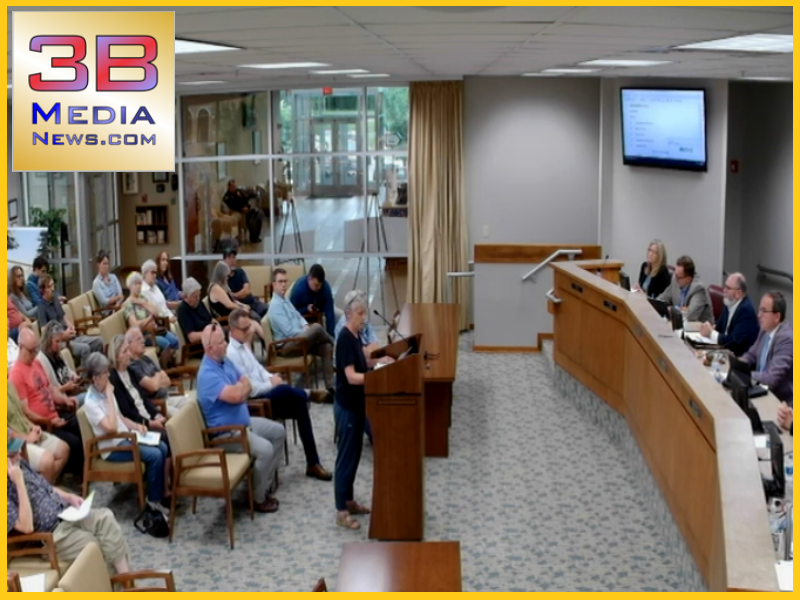
The Crossville City Council meeting on June 9, 2026, featured significant discussion and action on a potential merger or asset transfer with the Cumberland Plateau Water Authority (CPWA).
Public comment was dominated by concerns about the proposed merger. Speakers, many from outside city limits who use city water, highlighted issues including lack of representation (non-city residents cannot vote in the city referendum or council elections despite depending on the system), uncertainties about long-term water sources, potential impacts from possible data center development on water resources, aging infrastructure and high water loss rates (around 23-30% for the city), risks of job losses or duplicated efforts, sewer capacity limitations, and the financial burden of major projects like the Meadow Park Lake dam expansion.
Supporters emphasized regional cooperation for future water security, economies of scale, and shared infrastructure challenges across a larger ratepayer base.
During the meeting, the council considered a motion to reject any merger, partnership, or asset transfer with the CPWA that would relinquish city governance over water and sewer resources. This motion failed on a roll call vote. Instead, the council approved a resolution to place a referendum on the November 3, 2026, general election ballot. The referendum asks qualified city voters whether the council may, if later deemed in the city’s and ratepayers’ best interest, transfer specific water and sewer utility properties (including land around the Meadow Park Lake dam and treatment plant, plus other identified assets) to the CPWA.
This approval is required under the city charter for conveying certain utility real property and does not automatically authorize a merger—it simply grants the council authority to pursue further negotiations and transfers later if approved. The council also voted to delay the Meadow Park Lake dam expansion project for at least one year to allow time for the referendum process, further discussions, and evaluation of regional options, citing affordability concerns on the current ratepayer base.
Overall, the council advanced the conversation toward potential consolidation for long-term water system sustainability and cost-sharing while deferring major commitments pending voter input and additional analysis. Other agenda items, such as budget matters, consent items, and routine reports, proceeded with limited discussion relative to the water authority topic.