
PUBLIC CONCERNS OVER WATER MERGER AND SURVEILLANCE VOICED AT CROSSVILLE COUNCIL MEETING
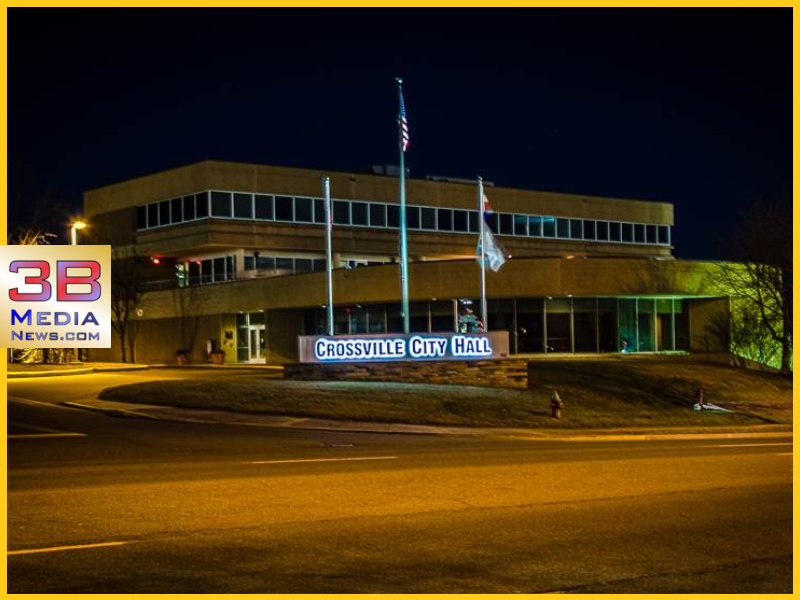
Public comments at Tuesday’s Crossville City Council meeting centered on the upcoming November referendum that would authorize the transfer of the city’s water and sewer system to the Cumberland Plateau Water Authority (CPWA). Multiple speakers urged the council to commission an independent financial analysis, publicly state its position on a CPWA-commissioned study, and ensure full transparency before voters decide the future of the utility.
Speakers including Benjamin McDamon, Jenna Walz, Steve Stone and Anthony Capito challenged the financial case for the merger. They noted that the primary analysis presented to the city was paid for by CPWA itself and has not been independently verified by Crossville. McDamon highlighted inconsistencies in projected rate increases (commonly cited as 63 percent without a merger versus roughly 30 percent or a recommended 9.7 percent with one), large unexplained gaps in debt figures, and the absence of a named alternative water source, location, permit or cost study behind the lower rate projections. He pointed out that the city’s own prior work (the Wauford study) placed new water-source options far higher than the figures implied by the CPWA presentation and called for a city-funded examination of all options, including federal and regional funding sources and mitigation credits.
Walz distributed materials comparing water-loss data and criticized the CPWA financial impact analysis for lacking supporting data, fully described methodology and public accessibility. She noted that the option recommended by CPWA involves merging and making no capital improvements over a six-year period, while alternative regional supply solutions remain unspecified. Stone, drawing on decades of experience with regional utilities, stressed that water resources are held in trust for the public by the state and that the core question is management and ratepayer benefit. He asked whether a larger customer base of roughly 32,000 accounts could more readily support necessary debt than Crossville’s smaller base alone, and he pressed the city to disclose whether it agrees or disagrees with the CPWA report’s data and conclusions. Capito raised related questions about future hookup fees under CPWA control and the implications of the decision for any later data-center development.
Mayor R.J. Crawford responded that an official city statement on the matter was available and that a voter information guide related to the referendum was expected soon.
In related business, the council tabled discussion and action on mitigation credits for the Meadow Park Lake dam project until its November meeting. Staff reported that the interested party had agreed to wait until mid-November, giving the city time to see the outcome of the November 3 referendum before making a formal commitment involving substantial funds and agreements.
Earlier in the evening a public hearing on plan-of-service reviews and annexation proposals for parcels on Canary Drive, Lantana Road and Woodlawn Road, plus the closeout of the Centennial Park Greenway, drew no speakers. The full consent agenda, which included a water-line service request and annexation resolutions tied to utility service, was approved without individual items being pulled for further discussion.
The council also handled routine recognitions, a Tree Board appointment and other non-utility items before adjourning.